
Travel archive:
Spellbound in the Alps
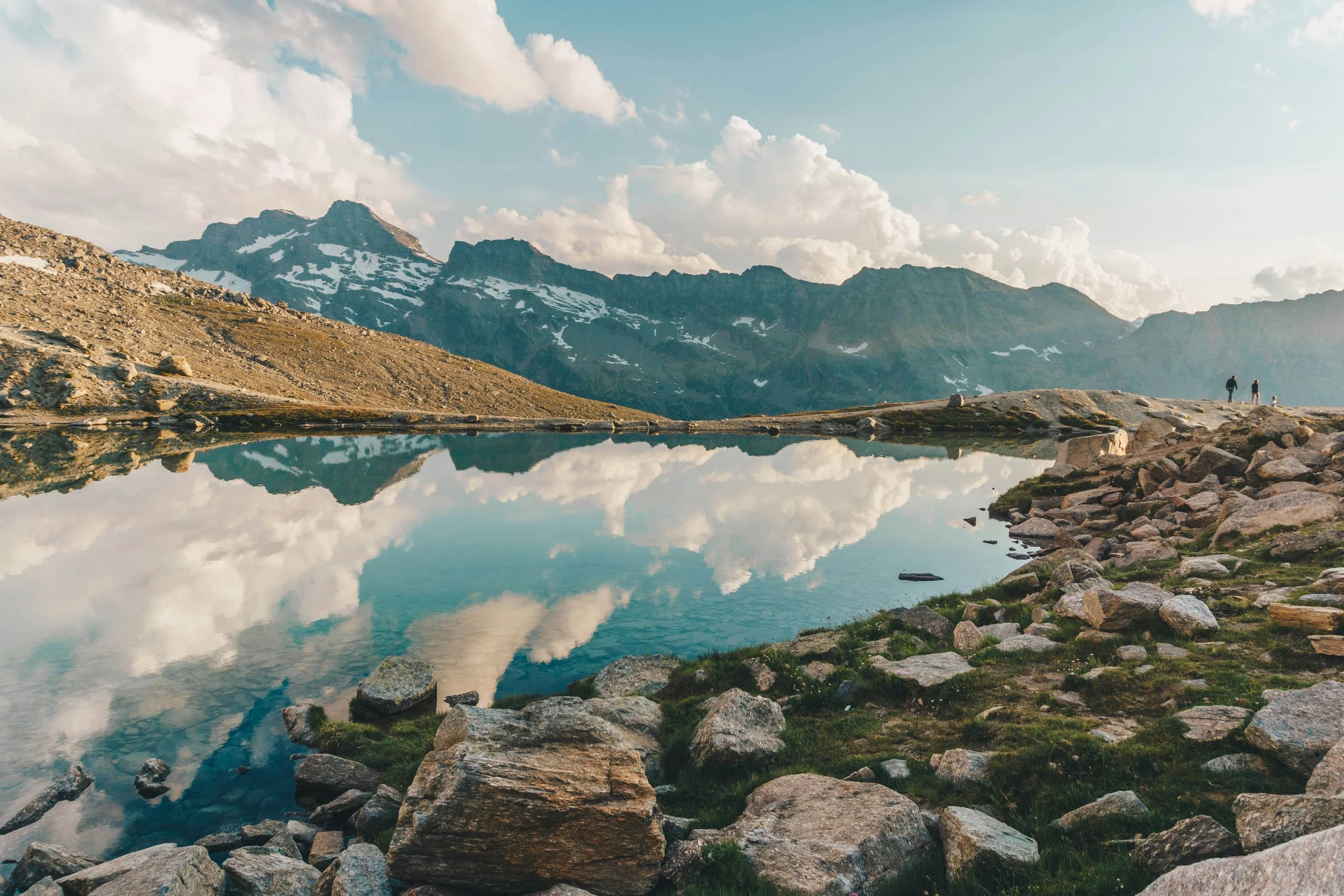
Few regions in Europe carry the same sense of mystery and grandeur as the alpine borderlands between Italy, France and Switzerland. This is a journey into another world – still within Europe, yet shaped by something older, deeper, and less defined by modern borders.
-
-
For a landscape where borders blur and cultures meet – an alpine world shaped by history, trade and nature, where Italy, France and Switzerland converge with remarkable depth.
-
Ossola Valley and Lake Maggiore, Simplon Pass, Valais and the Rhône, Aosta Valley, Mont Blanc and the Matterhorn, Roman ruins and medieval fortresses, alpine lakes and mountain passes, Glacier Express to the Engadin, Montreux and Lake Geneva, Gruyère, alpine cuisine and local craftsmanship.
>>>
Between Domodossola, Novara, Valais and the Aosta Valley, ancient trade routes have connected cultures for centuries. Long before the countries we know today took form, a distinct and flourishing cultural landscape emerged here – one that still lingers in the architecture, the language, and the rhythm of life.
Among Roman ruins and medieval fortresses, Europe’s highest peaks rise dramatically above deep valleys where some of the continent’s great rivers begin their journey towards the sea. Moving through mountain passes, alpine lakes and historic towns, we encounter a different Italy – and a wilder, more elemental Switzerland than most have seen.
From Milan, the journey begins northwest towards Lake Maggiore and the Piedmontese Alps, where the Ossola Valley opens up. Once home to one of the most important settlements of the Lepontii before the Roman era, the region today is known for its refined craftsmanship – from chocolate and cheeses to wine, beer and fine leather.
From here, the passes lead to Valais – the bilingual Swiss region where the Rhône begins its long journey towards the Mediterranean. The landscape shifts and turns as we move southward into the Aosta Valley, nestled between some of Europe’s highest peaks. The nearby canton of Vaud offers great experiences of Lake Geneva, the towns of Montreux, Vevey, Lausanne and cheese heaven Gruyère. To the east, The panoramic train Glacier Express leads to the Engadin and Sankt Moritz.
Returning to the Italian side of the Alps, Aosta offers a rare combination of Roman heritage, mountain culture, and a culinary identity shaped by both Italy and France. Neither one nor the other, Aosta carries its own quiet identity – where influences meet and blend with remarkable ease. It is also, perhaps unexpectedly, home to some of the finest gelato in Italy. Valle d'Aosta is a region where nature, history and culture remain deeply intertwined.